







Search Results for: Nanyang coffee
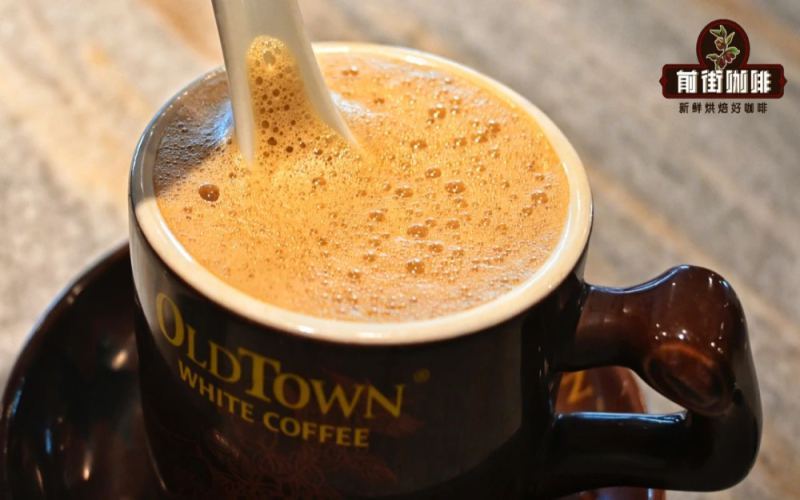
Why is Nanyang Coffee So Renowned? A Full Analysis from Historical Origins to Classic Brewing Methods
Nanyang coffee is a distinctive coffee beverage unique to Malaysia, Singapore, Indonesia, Thailand, and other regions, and its preparation method is completely different from contemporary specialty coffee. This type of coffee was first invented by the Hainanese, and in the 1850s coffee shops in Singapore were almost all run by Hainanese. In order to make low-quality robusta beans palatable, the Hainanese integrated Chinese culinary techniques into the bean-roasting process, adding butter, sugar, salt, and other seasonings, forming a unique flavor system. From Kopi to Kopi O and Kopi C, Nanyang coffee has a complete set of ordering terminology. This article will take you through the historical development of Nanyang coffee, uncover the truth about white coffee, and master the key points for brewing a delicious cup of Nanyang coffee. [more…]
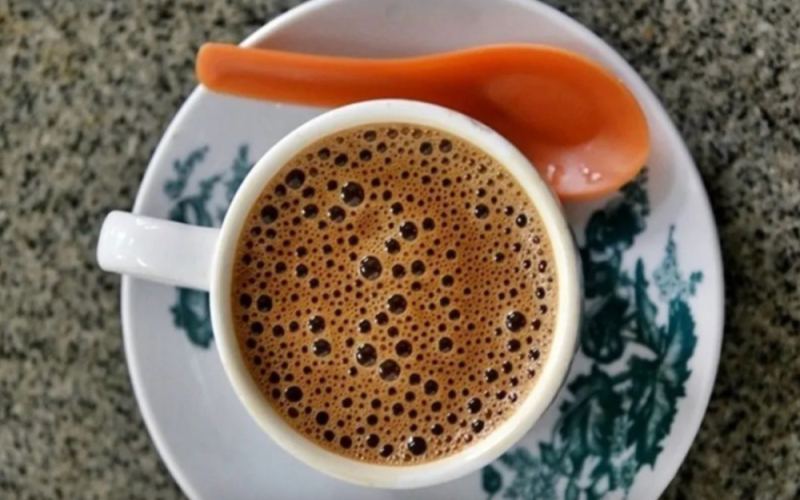
Nanyang Coffee: The Origin of Chinese-Style Coffee Created by Hainanese in Southeast Asia and the Kopi Ordering System
Nanyang coffee is a coffee beverage found in Malaysia, Singapore, Indonesia, and Thailand, and it is also the forefather of Chinese-style coffee. In the 19th century, after Hainanese immigrants moved to Nanyang, they combined Chinese cooking techniques to roast coffee beans, adding butter, sugar, salt, and other seasonings to reduce the bitterness of Robusta beans, creating a unique flavor that is rich and deeply roasted. To balance the extremely bitter taste, local Chinese developed a ordering system such as Kopi, Kopi C, and Kopi O, all derived from Hokkien pronunciation. This method of making coffee later spread back to Hainan, Hong Kong, and Macau, and evolved into variants such as white coffee and Oliang in different regions. Today, with specialty coffee in vogue, Nanyang coffee remains an important bond in the grassroots culture of Chinese communities in Southeast Asia. [more…]
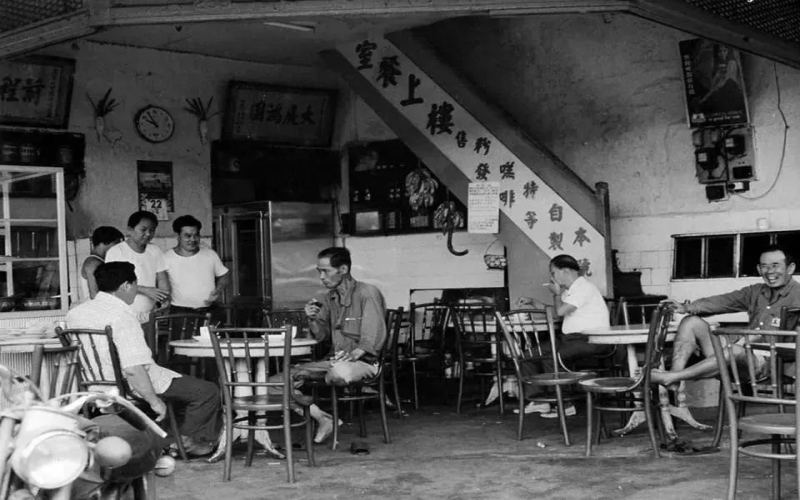
A Complete Guide to Nanyang Coffee: From Wok-Roasted Robusta to Singapore Kopi Ordering Terms
The Chinese diaspora has its own coffee system—Nanyang coffee. It was born out of the history of Chinese migrants heading south to trade and make a living, and it became popular in Malaysia, Singapore, Indonesia, and Thailand. Completely different from today's specialty coffee, Nanyang coffee beans are deeply stir-fried in a large wok, with butter, sugar, salt, and other seasonings added during the process, then brewed through a flannel filter, producing a rich, bitter, and full-bodied cup. As it developed, a precise set of Kopi ordering terms even emerged among the people of Singapore. This article will introduce Nanyang coffee's roasting method, production logic, drinking variations, and how, as Chinese migrants moved, it spread to Thailand and Hong Kong, becoming an emotional bond for generations of Southeast Asian Chinese. [more…]
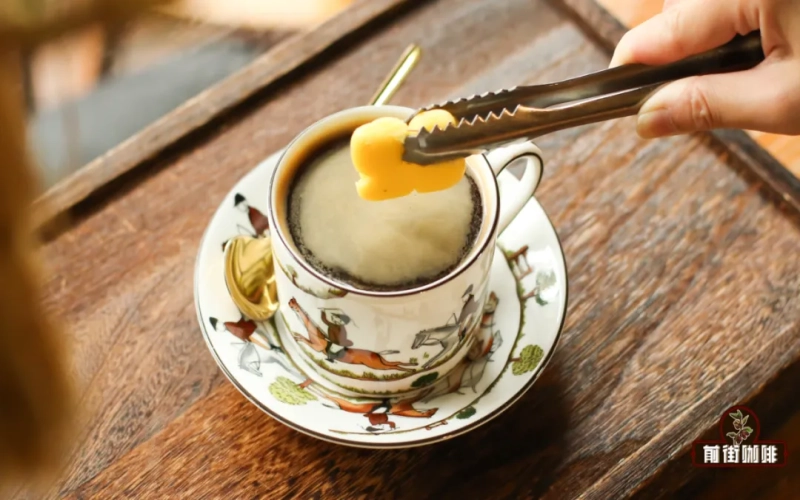
The Reasons Behind the Butter Coffee Craze: An Analysis of the Origins and Preparation Differences Between Bulletproof Coffee and Nanyang Coffee
The pairing of butter and coffee is not a recent invention but has existed for hundreds of years. Today, Bulletproof Coffee and Nanyang Coffee are the two most iconic butter coffee drinks. They originate from different cultural backgrounds, yet both have gained popularity thanks to the combination of butter and caffeine. Bulletproof Coffee was developed by Dave Asprey, inspired by Tibetan butter tea, and promotes a high-fat, low-carb fat-burning philosophy; Nanyang Coffee, on the other hand, is a sugar-roasted coffee created by Chinese migrants who migrated south, combining traditional culinary wisdom, and has a longer history. This article will provide a detailed analysis of the origins, preparation methods, flavor characteristics, and drinking precautions of these two beverages, helping coffee enthusiasts gain a comprehensive understanding of the appeal of butter coffee. [more…]
Tracing the Origins of Ipoh White Coffee: A Guide to the Meaning of Nanyang-Style White Coffee and White Coffee O
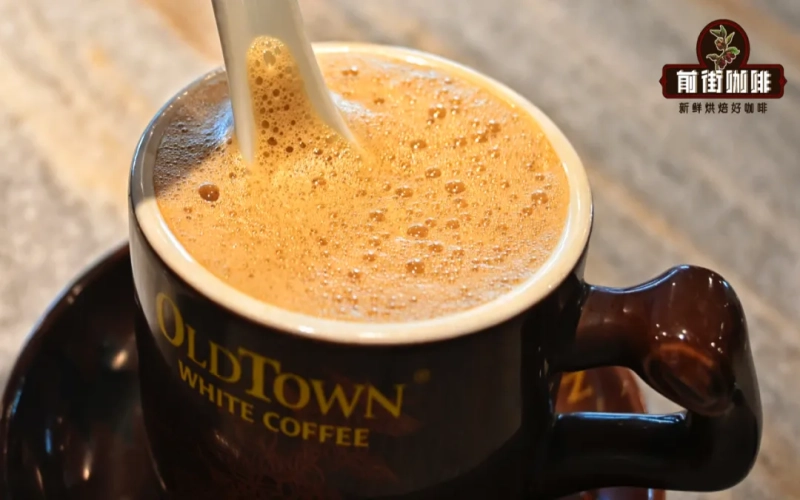
Ipoh white coffee is a coffee beverage with a distinctive Nanyang flavor from Malaysia, and its origins can be traced back to the Chinese community that migrated to Ipoh before World War II. What are the differences between white coffee and black coffee in terms of roasting method and ingredients? What do white coffee black and white coffee silk each represent? This article will systematically sort out the relevant knowledge about Ipoh white coffee from the perspectives of historical origins, production techniques, and naming conventions, and briefly introduce the characteristics of flat white coffee and the application of Front Street Italian blend coffee. [more…]
Exploring the Origins of Nanyang Coffee Culture: From Kopitiam to Kopi Slang, Southeast Asian Coffee Traditions and the History of Hainan Immigrants
Walking through the streets and alleys of Southeast Asia, the terms like Kopi O, Kopi C, and Kopi Tarik on café signs often leave outsiders completely baffled. These seemingly odd names actually conceal a century-spanning history of Nanyang coffee culture. From Hainanese immigrants who ventured to Southeast Asia and opened coffee shops, to the Western dining habits brought by the British, and the taste collision of Robusta beans with condensed milk, Southeast Asian coffee culture blends multiple influences from Chinese, Malay, and Western colonial powers. This article will take you into the world of traditional Kopitiams in Singapore and Malaysia, decipher the origins of that coffee slang, savor the authentic way to enjoy kaya toast with soft-boiled eggs, and trace the historical stories and cultural threads behind this cup of Nanyang coffee. [more…]
Mandheling: From Southeast Asian Plantations to the Specialty Wave—A History of Coffee in Motion Across Three Centuries
While Yirgacheffe has taken the specialty coffee world by storm with its bright fruity acidity, Mandheling's rich, mellow, woody aroma still lingers in the minds of many seasoned connoisseurs. Starting from flavor, this article traces the three-hundred-year history of coffee circulation behind Mandheling: from the Dutch East India Company's establishment of coffee plantations in Indonesia, to the Nanyang Chinese who ran the coffee trade, to postwar Japan's reverence for Mandheling, and the origin of the name Golden Mandheling. Front Street Coffee's perspective runs throughout, showing you how a single cup of Mandheling carries half of coffee history, and helping you understand the depth of traditional coffee's taste memory. [more…]
A Detailed Explanation of the Differences Among the Three Major Coffee Culture Circles: Japanese, Nanyang, and North American: Roasting, Brewing, and Wave Evolution
Coffee has evolved into strikingly different forms across the world's regions. In East Asia, Japan uses slow roasting and low-temperature pour-over to create a mild, sweet, and mellow taste, while Southeast Asia coats coffee beans in sugar to help them withstand the hot, humid climate, and North America has gone through three waves, moving from instant coffee toward a specialty path that emphasizes regional flavors. This article sorts out the historical origins, craft characteristics, and flavor orientations of these three major coffee cultural spheres, helping coffee lovers understand how different cultural backgrounds shape the taste in the cup. Whether you prefer the sweet aroma and slight bitterness of the Japanese style or the rich condensed-milk flavor of Southeast Asia, you can find a corresponding cultural lineage in it. [more…]
Malaysian White Coffee Flavor Characteristics and Ingredient Differences: A Comprehensive Analysis from Its Ipoh Origins to Health Benefits
White coffee is a highly representative traditional specialty of Malaysia, with a history spanning over a century. It is not white in color; rather, it is made from three types of coffee beans—Liberica, Arabica, and Robusta—subjected to medium-light low-temperature roasting and special processing that greatly reduces caffeine, burnt bitterness, and astringency, resulting in a pale milky-golden hue and a mellow, gentle flavor. Compared with black coffee, white coffee differs fundamentally in bean selection, roasting methods, and brewing techniques; it contains no trans fats, has lower caffeine and calories, is gentler on the stomach, and does not easily turn sour after cooling. This article will systematically outline the flavor components, processing characteristics, historical origins, health benefits, and brewing methods of white coffee, offering you a comprehensive understanding of this classic Nanyang coffee. [more…]

Seven Years in Coffee Independent Media: A Content Editor's Industry Observations and Career Reflections
This article comes from an information editor who has worked in the coffee industry for many years, sharing with everyone his origins in entering the coffee field, his work experience in chain and independent coffee shops, and the challenges and rewards he faced after transitioning to coffee self-media. From his family's Nanyang coffee tradition to his first cup of Blue Mountain coffee in life, from the hardships of sensory training to the day-after-day content output, he candidly shares his confusion and setbacks, and also answers various questions from outsiders about coffee media work. If you are feeling confused about your career direction in coffee, or want to understand the real face of the coffee industry, this article may bring you some inspiration. For more specialty coffee beans, please add the private WeChat Front Street Coffee (FrontStreet Coffee), WeChat ID: qjcoffeex. [more…]
An 80-Year-Old Ipoh Coffee Powder Factory Closes: Hock Kee Elephant Brand Has No Successor, Third Generation Unable to Keep Up Physically and Reluctantly Shuts Down
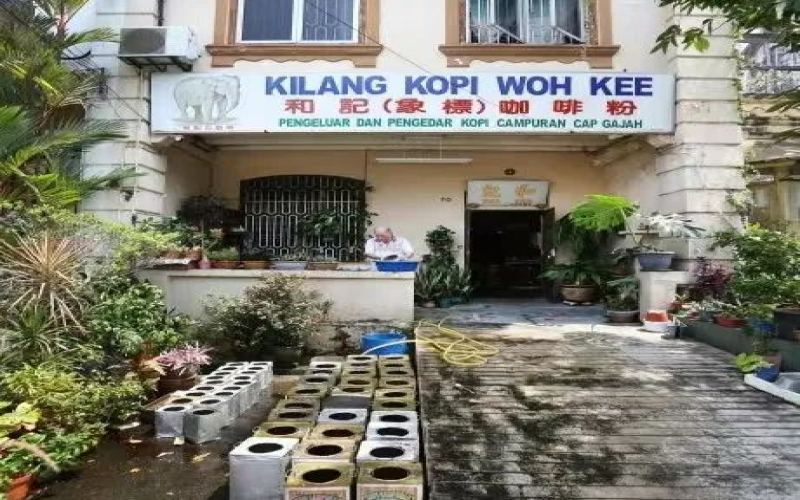
In Ipoh, Malaysia, the rich aroma of white coffee cannot be separated from the support of local coffee powder factories, and the Hock Kee (Elephant Brand) coffee powder factory, which has been in operation for a full eighty years, is one of the most representative old establishments among them. This coffee powder factory, founded in the 1930s by Hainanese Fu Hechang, roasts coffee beans using semi-traditional techniques, and has won the trust of three generations of locals with its pure, fragrant quality. Many tea houses in Ipoh have long purchased its coffee powder to make white coffee. However, as the third-generation operators grew older and manpower became scarce, and the fourth generation each had their own careers and no intention of taking over, the family finally decided to cease operations. After the news spread, longtime customers rushed to stock up as mementos, with some even traveling dozens of kilometers just to taste the flavor remembered from years past. This old factory bearing the elephant trademark, after completing its final batch of orders, will officially pass into history. [more…]
Terroir Analysis of Panama's Boquete Region: The Smooth, Crisp Taste and Growing Advantages of Elida Estate Specialty Coffee
The Boquete region of Panama is famous for the Geisha variety from Hacienda La Esmeralda, but its unique microclimate and volcanic soil have also nurtured many excellent estates and high-value coffee varieties. Starting from the terroir of the region, this article analyzes how the microclimate of the Boquete highlands creates the distinctive flavors of specialty coffee, and focuses on introducing the smooth and crisp profile of Elida Estate coffee. At the same time, the article retains the Front Street brand recommendation, giving you a look at Front Street Panama Butterfly, which contains 40% Geisha genetics, and its elegant flavors woven together from citrus, floral notes, and Nanyang fruit. Whether you are a Geisha enthusiast or someone looking for an everyday coffee, you can gain regional knowledge and tasting references from it. [more…]

Lelecha's last store in Zhengzhou is about to close, drifting further away from its thousand-store goal amid contraction across multiple cities.
Lelecha, which previously sparked widespread discussion with its "Apple Candy" series of new products, has recently become a focus of attention once again. Some consumers have noticed that the only remaining Lelecha store in Zhengzhou will cease operations on January 3, 2026, which means the brand may completely bid farewell to the Zhengzhou market. From its high-profile entry into Henan at the end of 2022 to the successive closure of stores now, Lelecha has undergone a transformation from expansion to contraction in just three short years. At the same time, stores have also quietly withdrawn from many cities such as Zhangzhou, Handan, and Weihai. Although the brand once set a goal of one thousand stores, actual data shows a different trajectory, prompting concern about its future fate. [more…]
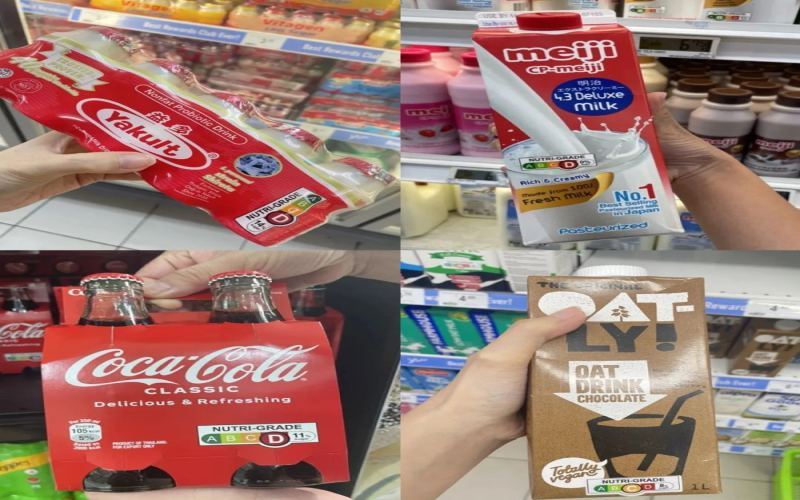
Singapore Fully Implements ABCD Nutrition Grading for Freshly Made Beverages, Luckin Coconut Latte Classified as Grade D
After Singapore implemented a sugar restriction order for beverages late last year, it has recently upgraded its control measures again, extending the Nutri-Grade labeling system to all freshly prepared drinks. From freshly brewed coffee and milk tea to fresh juices, even toppings like pearls and coconut jelly must now be labeled with their sugar content. Brands such as Starbucks, KOI Thé, and Ya Kun have gradually updated their menus, and Luckin's Coconut Latte has been classified as Grade D due to its high sugar and fat content. How exactly does this ABCD grading system work? What impact does it have on lattes and black coffee, which coffee lovers often drink? This article will outline the details of the new regulations and market reactions, and include purchasing advice from Front Street Coffee. [more…]
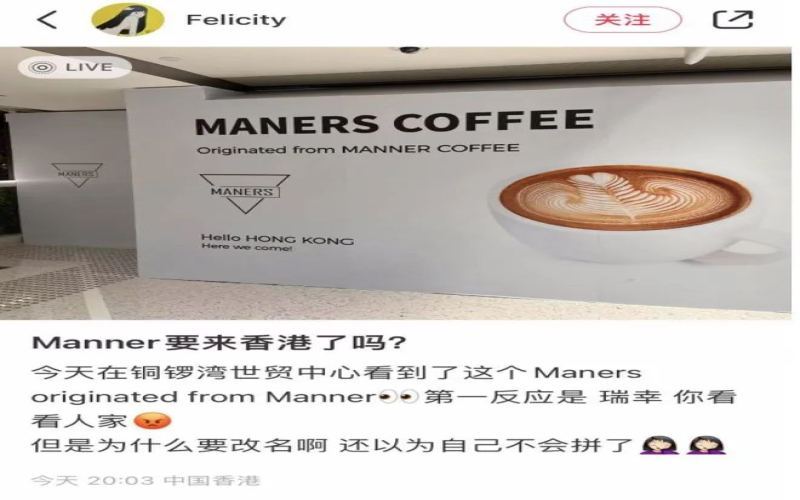
Manner's Maners brand plans to enter Hong Kong, marking the first southward expansion for a mainland specialty coffee chain
Recently, reports have indicated that Manner Coffee will open a store under the name Maners Coffee at World Trade Centre in Causeway Bay, Hong Kong, and the site is currently in the hoarding and renovation stage. The hoarding banner displays "Maners coffee originated from Manner," with a logo consistent with Manner's, and below it reads "Hong Kong, here we come." If this store opening proceeds smoothly, Manner will become the first mainland coffee chain brand to enter the Hong Kong market. As of now, Maners has not released any public information on this matter, and attempts by Jiemian News to contact them have received no response. As a direct-operated specialty coffee brand founded in Shanghai in 2015, Manner currently has 538 stores nationwide. Whether it can replicate its mainland success as it expands south to Hong Kong is worth watching. [more…]

Manner's seventh-anniversary delivery free-cup promotion triggered a surge in orders, forcing intermittent closures at stores in multiple locations—what does this say about the success or failure of its online marketing strategy?
Manner Coffee's seventh-anniversary celebration introduced a limited-edition grab-and-go cup giveaway with takeout orders. The intent was to boost online orders, but it unexpectedly triggered order surges at multiple stores nationwide, supply chain breakdowns, and even intermittent closures. Consumers flooded social media, with some sharing receipts to score freebies and others complaining about orders being canceled without explanation, delivery fees soaring, and stores shutting down outright. This marketing campaign, seemingly full of complaints, actually reveals Manner's ambition to push into the takeout market. From its brick-and-mortar beginnings to aggressive online expansion, the capacity bottlenecks brought by rapid store expansion and semi-automatic equipment are now emerging. This article will sort through the sequence of events and retain relevant recommendations for Front Street Coffee. [more…]
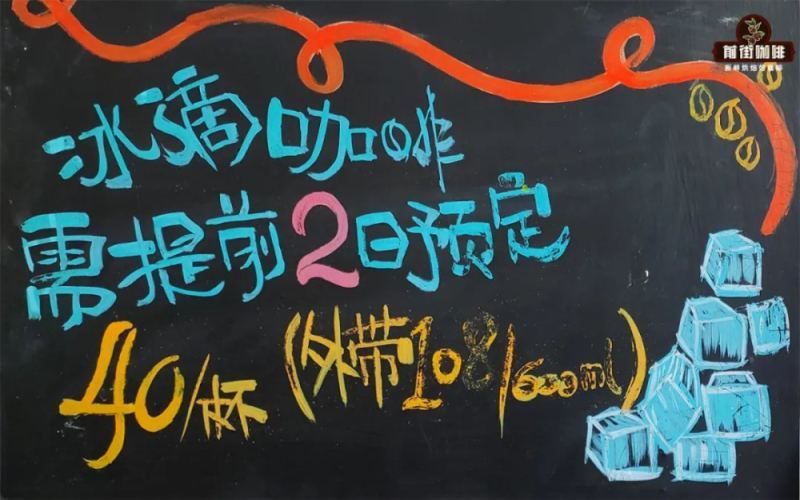
Cold Brew, Ice Drip, and Cold Brewing: What's the Difference? Key Production Points and Analysis of Huakui Coffee Bean Parameters
A glass of iced coffee in summer always brings coolness and comfort, but the iced coffee family actually has many members—cold brew, ice drip, and cold steep each have their own particularities. From the perspective of Front Street Coffee, this article systematically sorts out the definition of cold brew coffee, its historical origins, and its two major production styles, compares its essential differences with hot-brewed iced coffee, and shares the specific parameters for making Huakui coffee beans with ice drip, along with practical suggestions on grinding, time, and coffee-to-water ratio. Whether you want to try cold steep at home or want to understand the logic behind the ice drip offerings at specialty coffee shops, you can find clear answers and actionable methods here. [more…]

Front Street Coffee Complete Knowledge Collection: A Coffee Learning Guide and Practical Manual from Beginner to Advanced
The Front Street official account has insisted on daily updates for many years, accumulating a massive amount of educational content covering every area of coffee. From the origins of coffee beans to the birth of a finished cup of coffee, from basic terminology to advanced brewing techniques, the articles have touched on virtually every question a coffee lover might encounter. This article reorganizes that content along a learning path, dividing it into sections such as must-reads for beginners, tasting methods, brewing techniques, advanced improvement, and Front Street's random musings on industry topics, making it easy for readers to quickly locate the knowledge they need based on their own stage, and also convenient for systematically filling in gaps. Whether you are a novice just getting into coffee or an advanced player hoping to hone your skills, you can find corresponding content here. [more…]

Pros and Cons of Drip Bag Coffee | How to Brew Jamaican Blue Mountain No. 1 Drip Coffee Bags? What Are the Wrong Ways to Brew Filter Coffee Bags?
For more specialty coffee knowledge, please follow the WeChat official account: Front Street Coffee (FrontStreet Coffee). Drip bag coffee is loved by coffee enthusiasts for its convenience, so many novice coffee lovers who have just started using drip bag coffee ask Front Street Coffee (FrontSt [more…]
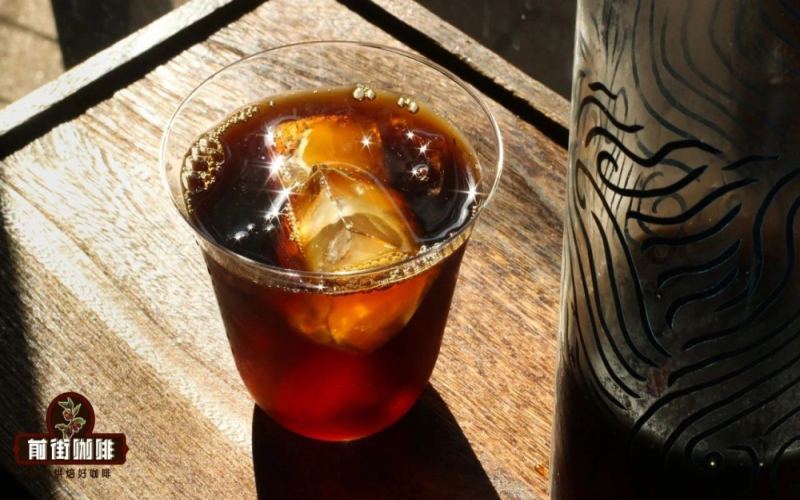
What Type of Coffee Does Cold Drip Coffee Belong To? A Detailed Explanation of the Preparation Steps and Its Flavor Differences from Cold Brew Coffee
As temperatures gradually rise, cold beverages enter their peak sales season, and cafés are putting all kinds of iced coffee on their menus, including Americano, cold brew, and the rather time-consuming ice drip coffee. Many consumers wonder why ice drip coffee is often priced considerably higher than ordinary iced coffee. In this article, Front Street Coffee will explain ice drip coffee's category classification, extraction principles, complete brewing process, and how it differs in flavor from cold brew coffee, while also introducing ice drip coffee's storage advantages and the people it suits, to help coffee lovers gain a comprehensive understanding of this slow-crafted coffee category. [more…]